Labor pain is one of the most universally expected parts of birth. People know it’s normal. They know it’s part of the process. They know it doesn’t mean something is medically wrong.
But even with that understanding, labor pain can still feel overwhelming — not because the sensation itself is dangerous, but because of how the nervous system interprets it.
In most cases, pain usually means something is wrong. It shows up when we’re injured or sick, so the body is wired to respond to pain with protective reflexes: adrenaline, tension, shallow breathing, and hyper-alertness. This happens automatically, often before you’re even aware of it.
So when labor begins, you may consciously know the pain is normal…
but with an untrained mind, your nervous system may still respond as if it’s a threat.
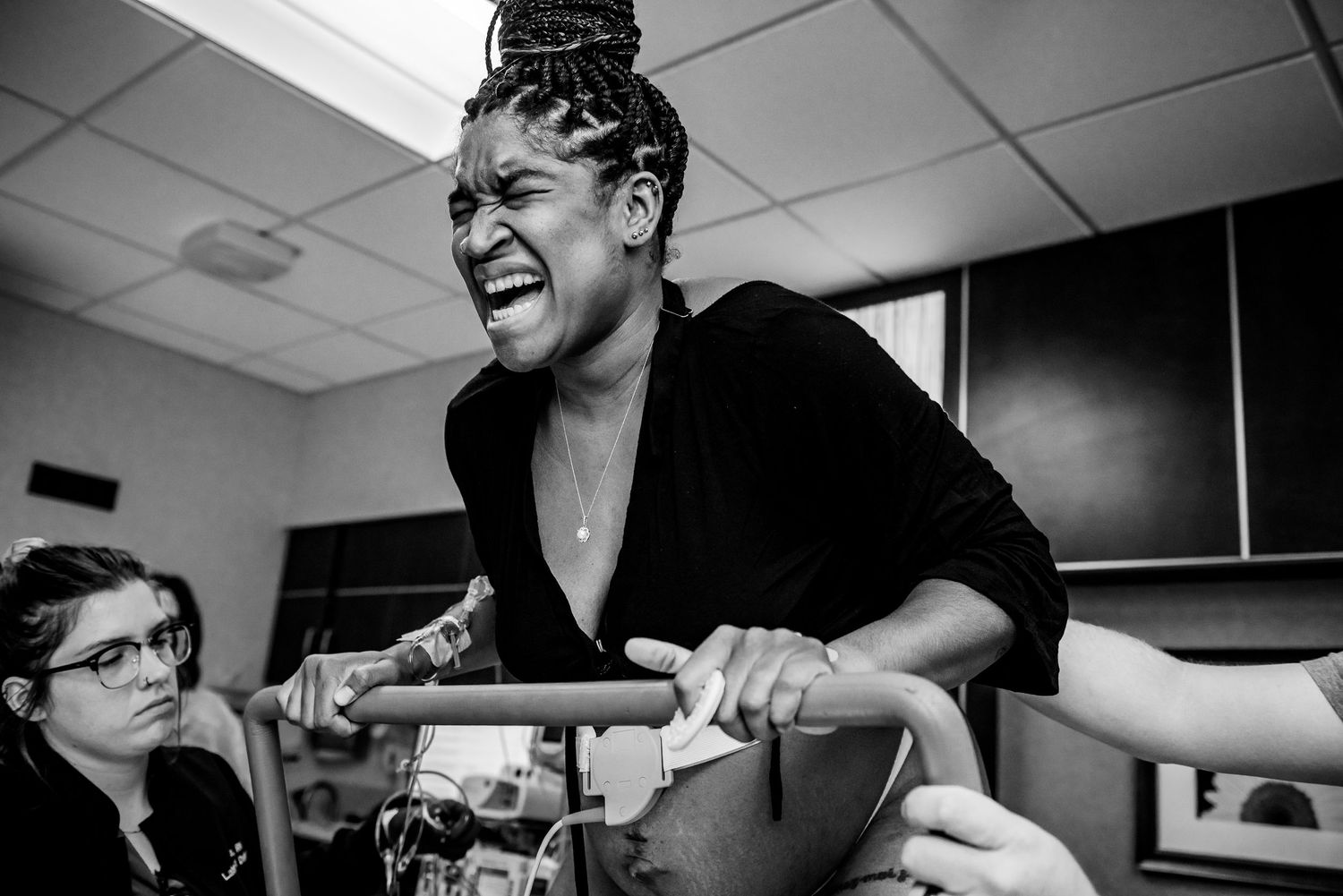
Labor Pain Is Transformational, Not Dangerous
Pain is always a form of communication from the body. But the message isn’t always “danger.” Sometimes the message is "Pay attention. Something important is happening."
In Mindful Birthing, Nancy Bardacke, CNM, uses the phrase transformational pain to describe labor. It’s the kind of pain that accompanies periods of significant growth or effort — like teething, or the aching of muscles getting stronger.
Uncomfortable? Yes.
Harmful? No.
Labor pain falls squarely into this category.
Your uterus is contracting with purpose.
Your cervix is opening.
Your baby is moving down.
The intensity is real, but it’s productive. It’s meaningful. It’s part of the process—not a sign that something is wrong.
Pain vs. Suffering
One of the most important distinctions in birth work is this:
Pain is a physical sensation. Suffering is the mind’s reaction to that sensation.
Suffering happens when the nervous system interprets pain as unsafe:
• adrenaline spikes
• breath becomes shallow
• muscles tighten
• thoughts race
• fear takes over
The pain becomes amplified—not because the contraction changed, but because fear changed everything around it.
On the other hand, when the nervous system feels safe, the same physical sensation becomes more manageable. Intensity is still there, but the body isn’t fighting itself.
How Mindfulness Supports the Body During Labor
Mindfulness helps interrupt the automatic “danger” response and replace it with awareness, presence, and internal steadiness.
It teaches you to:
• notice what is happening without judgment
• stay with one contraction at a time
• breathe instead of bracing
• allow rather than resist
• reinterpret intensity as purposeful
Mindfulness doesn’t eliminate pain, but it reduces suffering by helping the nervous system recognize that you are not in danger.
Internally, this looks like:
“This is too much,”
→ shifting to →
“This is strong, but it’s working.”
“I can’t do this,”
→ shifting to →
“I can meet this moment.”
“My body is failing,”
→ shifting to →
“My body is doing exactly what it needs to.”
When your nervous system feels supported rather than threatened, the experience of labor changes dramatically.
The Bottom Line
Labor pain is not the kind of pain your body needs protection from. It isn’t a red flag. It isn’t a sign that something is wrong.
It is transformational pain — intense, purposeful, and tied to one of the most profound processes your body can move through.
When you understand this distinction, and when you use mindfulness to help your nervous system stay steady in the face of intensity, you reduce suffering and create more space for trust, confidence, and clarity. Labor pain becomes something you can work with, not something you have to fear.

If you're preparing for birth, I’d love to support you
If you’re hoping for a grounded, empowered birth experience and want support that goes beyond checklists and hospital bags, I’d love to help.
If you’re in the Lincoln, Nebraska area, you can schedule a free doula consultation to talk through your vision for birth and the kind of support you want by your side.
Not local? Already have a doula?
You can still access the full Birth Alchemy curriculum through The Birth Prep Circle, our 8-week childbirth education program designed to help you build confidence, coping skills, and deep self-trust.