Abigail’s Story
Honoring Trisomy 9 Awareness Day (March 9)
March is Trisomy Awareness Month, and March 9 specifically recognizes Trisomy 9 — one of the rarest chromosomal conditions. “Trisomy” simply means there are three copies of a chromosome instead of the usual two. Different chromosomes can be affected. The most widely known example is Trisomy 21, which causes Down syndrome. Trisomy 9, however, is much rarer and often far more medically complex.
I want to share Abigail’s story with her family’s permission.
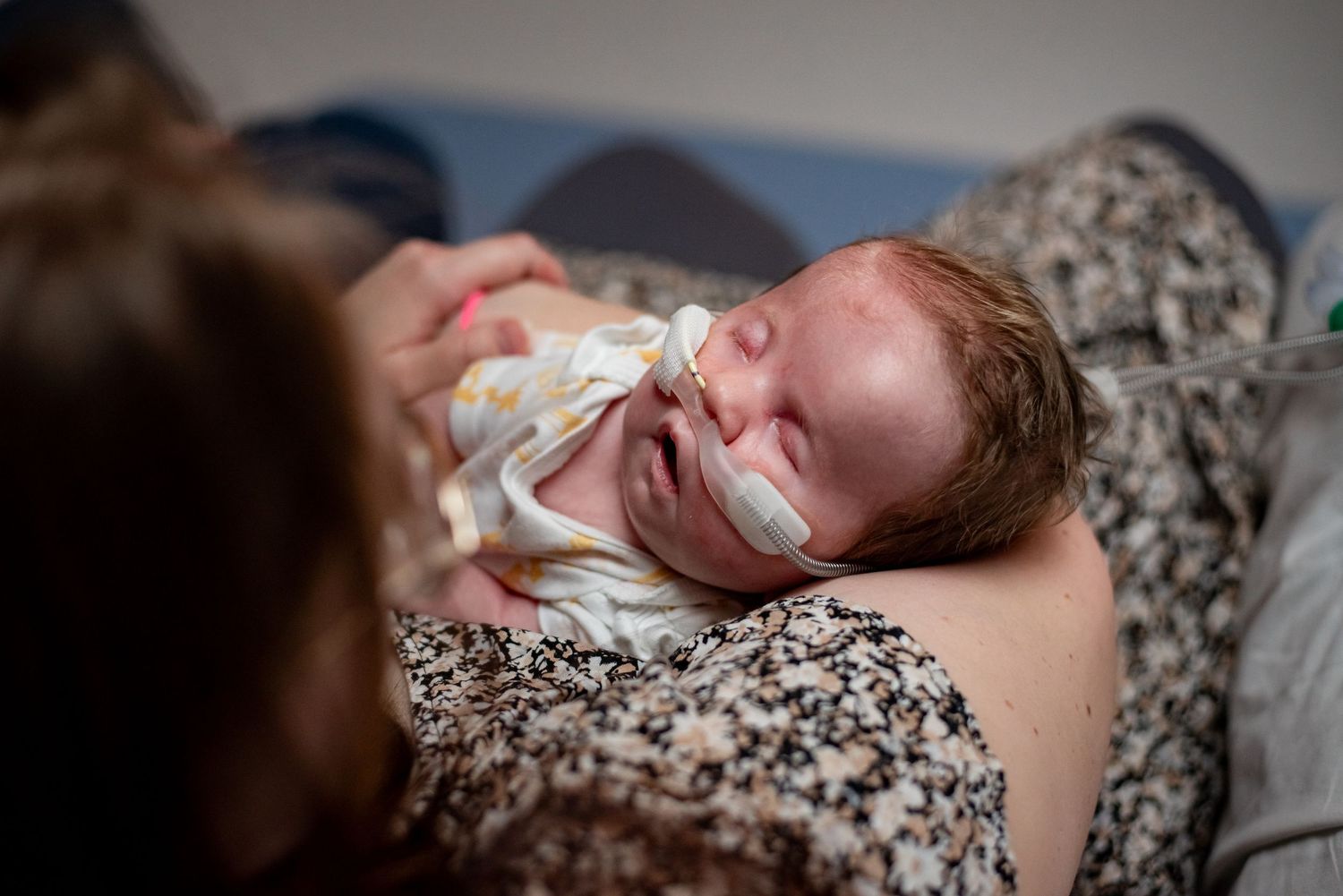
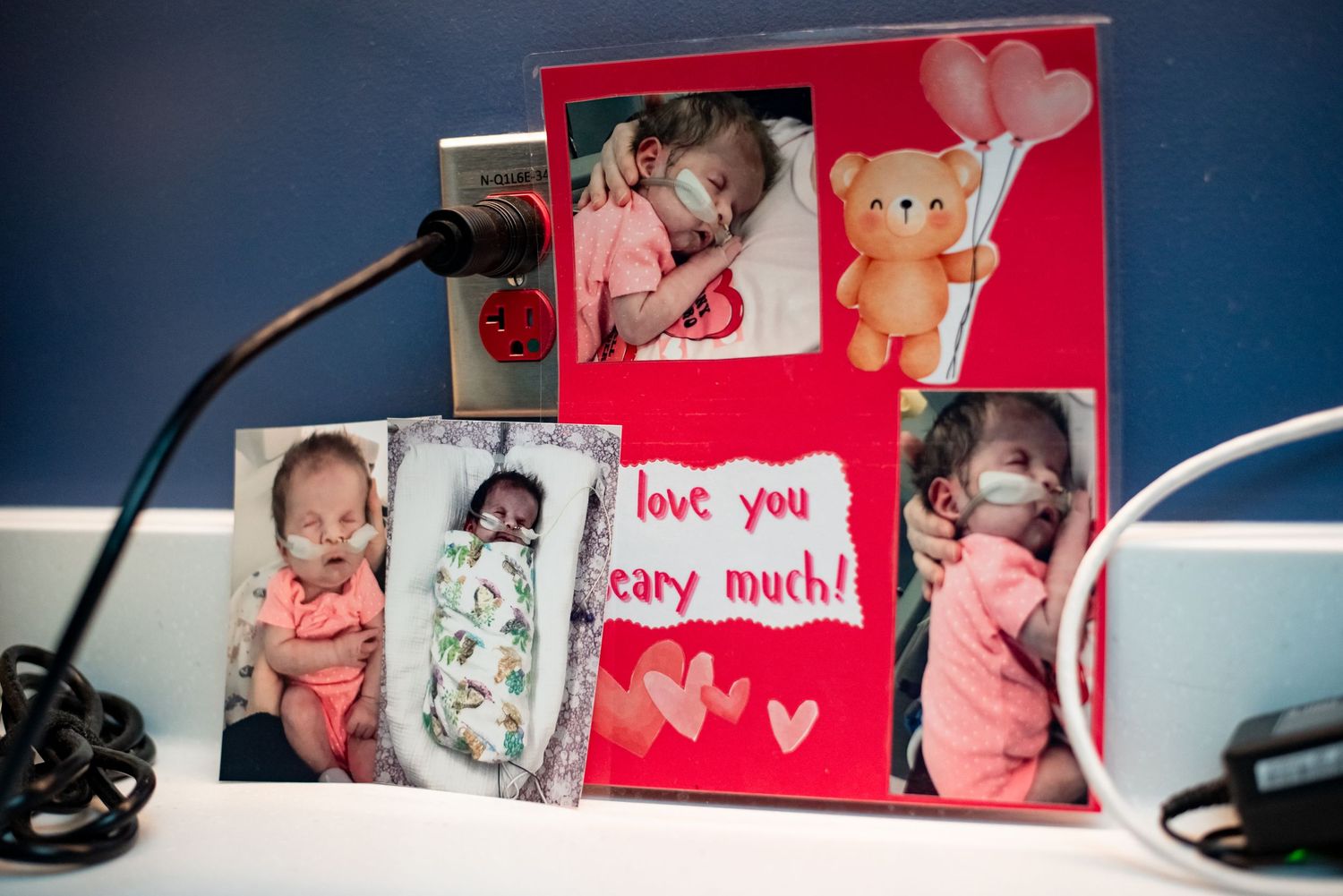
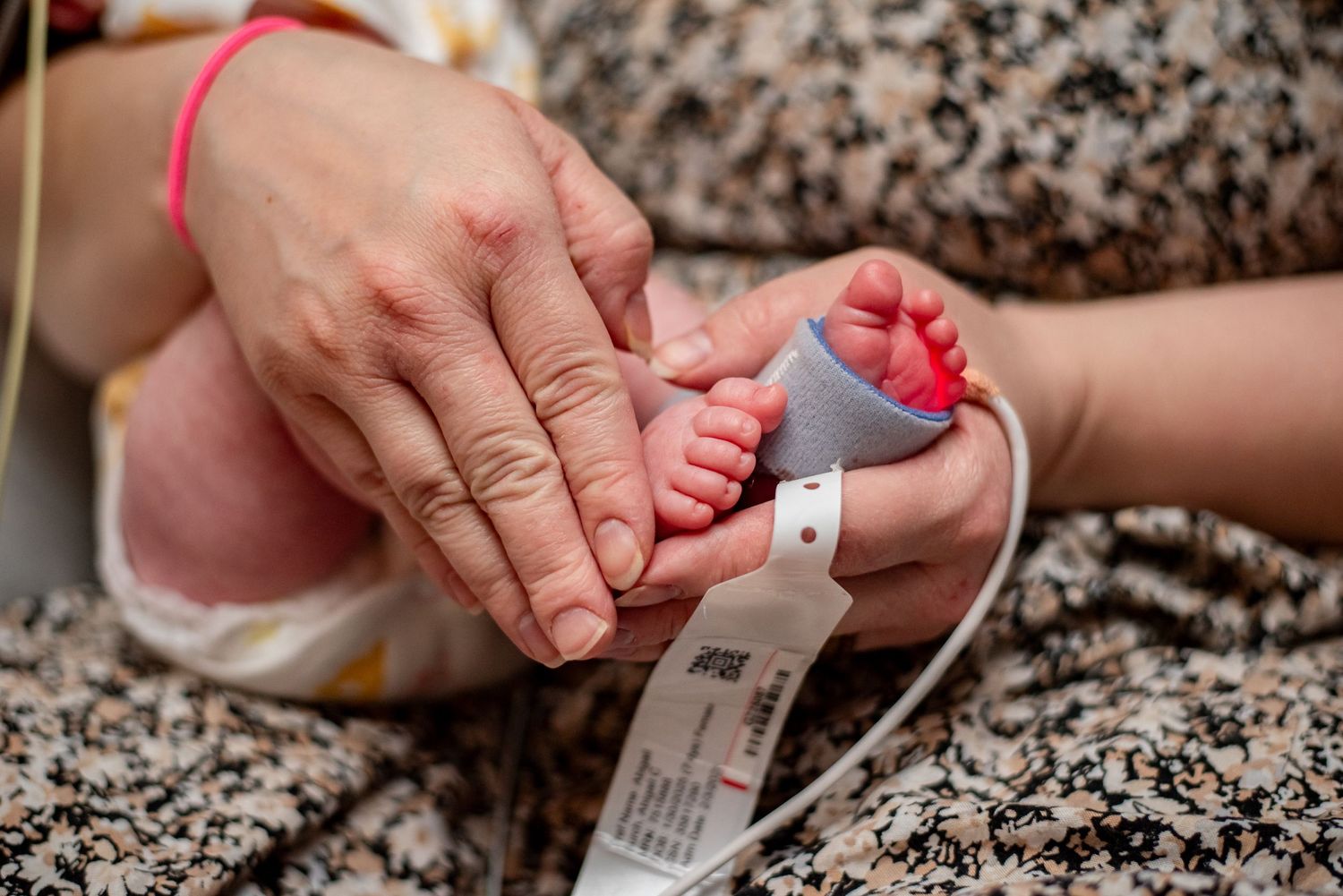
Abigail was born on January 30, 2025.
She passed on March 18, 2025.
Abigail was diagnosed during pregnancy with Trisomy 9 Mosaic after a routine anatomy scan led to further genetic testing. Trisomy 9 means there is an extra copy of chromosome 9 in some or all of the body’s cells. It’s extremely rare and often comes with significant medical complications. Many babies with this diagnosis do not survive long-term.
When families receive news like this, there isn’t a simple path forward. There are medical realities. There are risks. There are decisions layered with grief no matter what direction is taken.
When it became clear that Abigail's condition would not improve, I was asked to come document her final hours as her parents made the heart wrenching decision to withdraw life support.
For the first — and only — time since she was born, they were able to hold her without tubes and wires between them.
No tubes attached to her face.
No cords separating them.
Just their daughter.
While I'm typically invited to capture the beginning of life, this space was equally sacred. Birth and death are two sides of the same coin, after all.
My role wasn’t to make it beautiful. It was to document that she was here. That she was held. That she was loved without barriers in her final hours.
Abigail’s family also chose to donate some of her tissue. If usable, it may help other babies. If not, it will contribute to research in hopes of advancing understanding of this rare condition.
Her mother told me:
“She passed for a reason, and if that reason is science and awareness of an incredibly rare disease, then so be it.”
That decision is both heartbreaking and generous.
As we approach nearly a year since her passing, I’m sharing her story to bring awareness to Trisomy 9 and to honor her life.
Rare diagnoses can feel isolating. Sometimes families struggle to find information, support, or even others who have heard of the condition.
Abigail existed.
She mattered.
She is remembered.
If you feel moved to, please send love to her family as they continue to grieve and honor their daughter.