"When people leave birth feeling disempowered, it’s often not because of what happened medically, but because they felt disconnected from the decisions along the way. Radical responsibility doesn’t guarantee a certain outcome — but it does protect against powerlessness."
When new parents are planning a hospital birth, they often assume that once they're admitted, responsibility shifts to the providers. The doctors and nurses are the experts, they know what's safest, and they’ll guide what happens next. And while hospital providers absolutely bring valuable knowledge, training, and experience into the birth space,
assuming that they know all the right answers to your birth experience will pull you out of your own authority without you even realizing it.
Here's what I wish all families having a hospital birth knew...
Birthing in a hospital does not mean you stop being responsible for your birth. It means you have a team. And there’s an important difference between being supported by a team and handing over authorship of your experience.
When I talk about “radical responsibility” in a hospital birth, I’m not talking about rejecting medical care or trying to control outcomes. I’m talking about staying connected to the fact that you are the one having the experience. Providers make recommendations and hospitals operate within policies, but you are the one who consents, the one in your body, and the one who carries this experience forward.
It's important to remember that hospitals are systems. They’re busy, protocol-driven environments built around efficiency and liability. That’s not a judgment — it’s just how they function. And when you enter that system believing the providers are “in charge,” it’s easy to go on autopilot: agreeing before you fully understand, going along because it feels easier in the moment, or disconnecting when things move quickly.
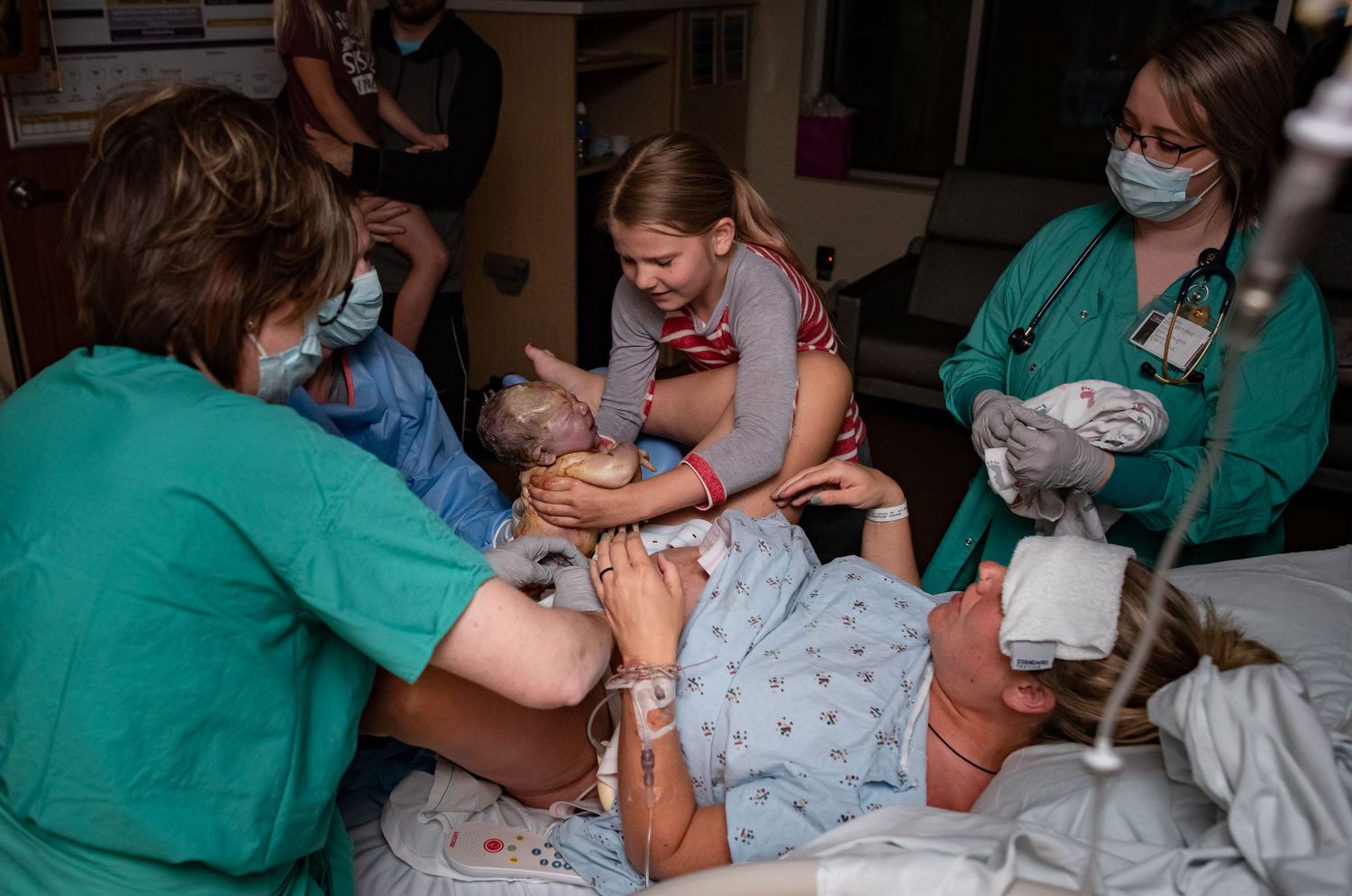
You can’t control every aspect of your birth. But you can take responsibility for staying informed, asking questions, understanding your options, and making your yes or no intentional. You can stay engaged with the process, even if plans change.
It’s also important to say what radical responsibility is not. It does not mean you caused complications, failed if interventions were needed, or should have known better. It means you stayed in relationship with yourself and your choices, even inside uncertainty.
When people leave birth feeling disempowered, it’s often not because of what happened medically, but because they felt disconnected from the decisions along the way. Radical responsibility doesn’t guarantee a certain outcome — but it does protect against powerlessness.
You are not a passive patient. You are an active participant in your own experience — even in a hospital, even with policies, even with providers in the room.
If you’re in the Lincoln, Nebraska area and giving birth in the coming months, I’d love to connect. You can schedule a free doula consultation to talk through your values and the kind of support you want. All of my doula clients also receive access to The Birth Prep Circle, an eight-week childbirth education program that supports this kind of preparation and self-trust.
Radical responsibility isn’t about doing birth “right.” It’s about staying present, engaged, and supported in the birth that’s actually unfolding.